
Everything You Need to Know About Delta-8 THC in 2026
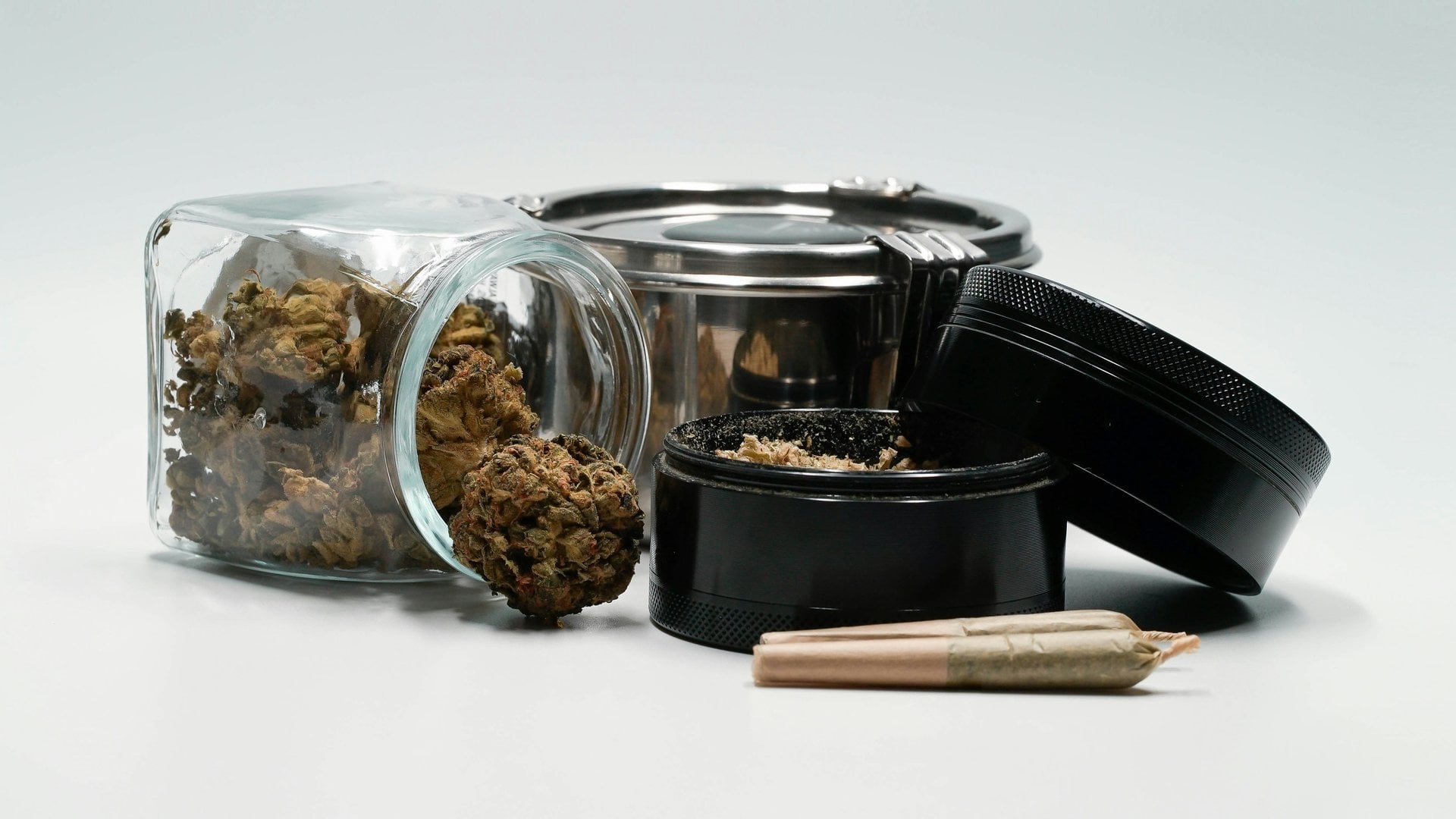
Go to a gas station, a CBD shop, or a corner of the internet selling "legal weed," and you’ll probably run into delta-8 THC, usually marketed as a milder and legal cousin of "regular THC" (delta-9 THC). The pitch sounds almost too convenient, promising similar effects, less intensity, and somehow being legal in places where cannabis itself isn’t.
The real story is, predictably, more complicated. It’s also worth understanding clearly, especially with a major legal change coming up later this year.
What Is Delta-8 THC?
Delta-8 THC is a cannabinoid that occurs naturally in the cannabis plant, but only in trace amounts, nowhere near enough to be extracted at a commercial scale directly from the plant. It’s what chemists call an isomer of delta-9 THC (the compound most people just call "THC"), meaning the two molecules share the same atoms, just arranged differently.
That small structural difference is enough to change how the compound behaves in the body, and, as it turns out, how it’s treated by law.
How Delta-8 THC Is Actually Made
Because delta-8 THC exists in such tiny natural quantities, almost none of the delta-8 THC sold commercially is extracted directly from the plant. Manufacturers instead start with CBD, which hemp produces abundantly, and convert it into delta-8 in a lab setting through a chemical process called isomerization by dissolving it with a solvent and adding an acid.
This matters because isomerization isn’t a perfectly clean process. Depending on the manufacturer’s quality control, the reaction can leave behind residual solvents, reaction byproducts, or unknown side compounds that haven’t been studied for safety. That is a core part of why regulators have raised concerns about unregulated delta-8 THC products specifically, separate from any concerns about cannabis itself.
Delta-8 vs. Delta-9 vs. CBD: A Quick Cannabinoid Comparison
Here’s how these three cannabinoids stack up side by side.
| Delta-8 THC | Delta-9 THC | CBD | |
|---|---|---|---|
| Psychoactive? | Yes, mild to moderate | Yes, strong | No |
| Natural abundance in plant | Trace amounts only | High in most cannabis cultivars | High in hemp and some cannabis cultivars |
| How it's typically produced | Converted from CBD via isomerization | Typically extracted or concentrated directly from the plant | Extracted directly from hemp or cannabis |
| Reported effects | Mild relaxation, described by some as less anxiety-inducing than delta-9 | Euphoria, relaxation, altered perception, and appetite stimulation | No intoxication, which is why it's often used for relaxation, inflammation, or general wellness |
| Shows up on a standard drug test | Yes | Yes | Typically, no (unless the product contains trace THC) |
| Regulatory status | Unregulated hemp-market gray area, closing Nov. 12, 2026 | Regulated under state cannabis programs | Federally legal under the 2018 Farm Bill, lightly regulated |
Is Delta-8 Legal?
The short answer is: it depends on where you are, and for how much longer. Right now, delta-8 sits in a shrinking legal gray area because its entire legal existence traces back to a loophole, not an intentional decision.
The 2018 Farm Bill legalized hemp and its derivatives federally, defining hemp by its delta-9 THC content, specifically, anything under 0.3% delta-9 THC by dry weight. Because the bill only measured delta-9, it said nothing about delta-8, delta-10, or other THC variants, and manufacturers took that silence as an opening.
A 2022 federal appeals court ruling (the Ninth Circuit, in a case called AK Futures v. Boyd Street Distro) reinforced that reading, finding that hemp-derived delta-8 technically fit the existing legal definition of hemp.
That's the loophole that built an entire industry of gas station shelves, online retailers, and CBD shops selling delta-8 gummies, vapes, and tinctures with essentially no cannabis license required. But that loophole is closing soon.
The Big Change for Delta-8 in November 2026
A federal law signed in November 2025 redefines hemp to be measured by total THC, including delta-8, delta-10, THCA, and other psychoactive hemp-derived cannabinoids, rather than just delta-9. Once that provision takes effect on November 12, 2026, most delta-8 products as they currently exist will no longer qualify as legal hemp under federal law.
What happens after that date is still genuinely unsettled. Congress has multiple competing proposals on the table. Some would extend the deadline, while others would create a new regulatory framework with potency caps and age limits instead of an outright ban.
The enforcement capacity at agencies like the FDA and DEA is limited enough that experts expect a bumpy, uneven rollout rather than an overnight disappearance of every product.
Does Delta-8 Show Up on a Drug Test?
Yes, and this is something most people don’t realize. Standard THC drug tests, including most workplace and roadside panels, aren't designed to tell delta-8 and delta-9 apart. Both compounds break down into metabolites that are similar enough to trigger a positive result on routine screening.
This means "it's legal, so it won't show up" is a myth. Even in states where delta-8 is fully legal to buy, using it can still result in a positive THC test, and it offers no protection for anyone subject to employer or Department of Transportation drug testing, both of which treat a positive result as a positive result regardless of which THC variant caused it.
How Delta-8 THC Products Are Consumed
Delta-8 shows up in most of the same formats as regular THC products, each with different onset times and intensity:
- Vape cartridges and disposables: Fast onset (minutes), with effects felt quickly but also fading faster.
- Gummies and edibles: Slow onset (30 minutes to 2 hours), with longer-lasting effects, making it easiest to accidentally overdo since it takes time to feel anything.
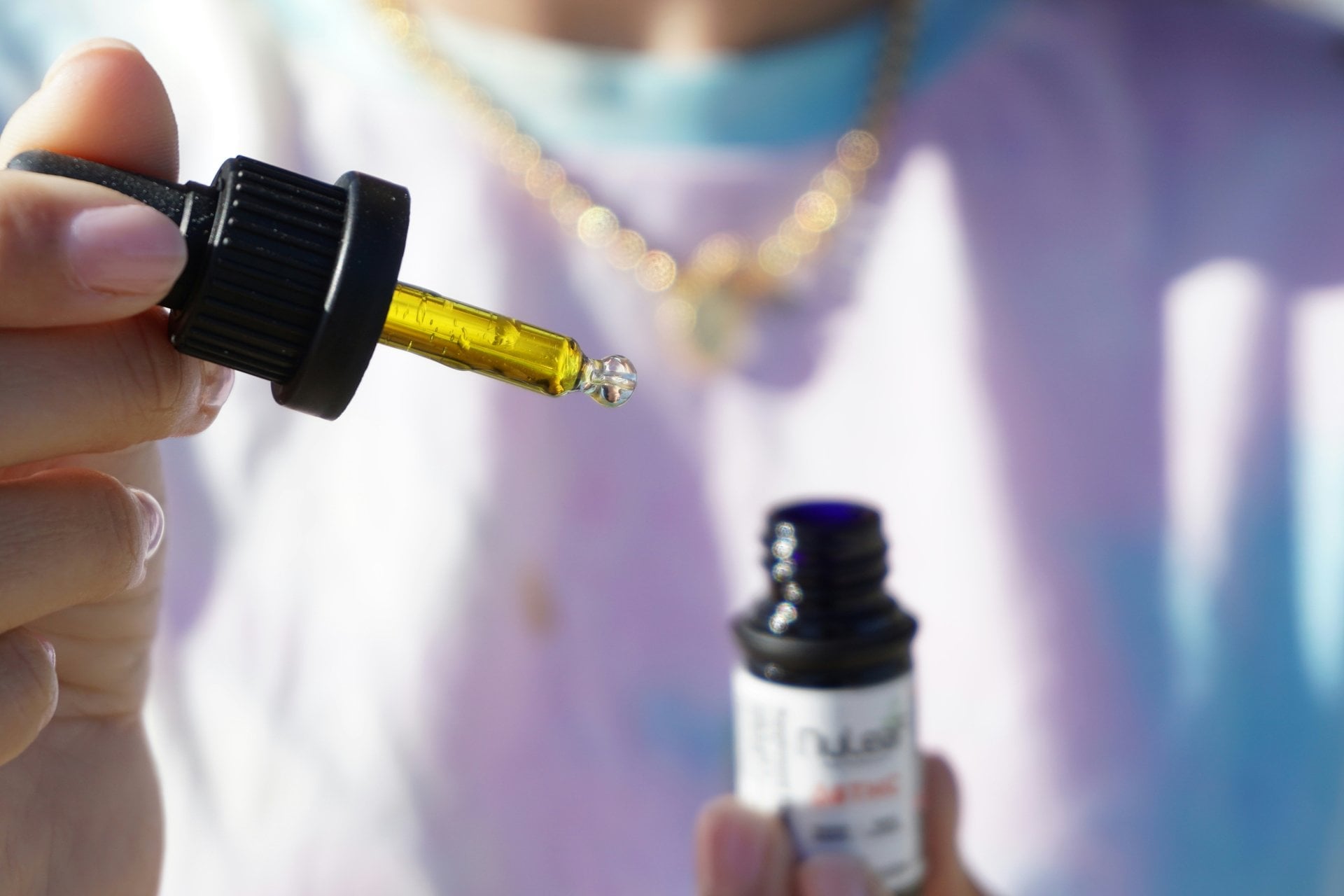
- Tinctures: Taken under the tongue, with a faster onset than edibles but slower than inhaling.
- Flower infused with delta-8 distillate: Smoked like regular flower with fast onset.
- Capsules and softgels: Similar timing to edibles, but with more precise, pre-measured dosing.
What to Check When Buying Delta-8 Products
Since delta-8 sold outside a licensed dispensary isn't held to the same testing standards as regulated cannabis, it's worth looking for a few things before buying:
- A third-party certificate of analysis (COA) confirming potency and screening for solvents, pesticides, and heavy metals.
- A batch or lot number that matches the COA on file, and not just a generic lab report copied across every product.
- Clear labeling of total cannabinoid content, not just "delta-8 THC" with no supporting breakdown.
- A manufacturer that discloses how the product was made, since isomerization quality varies significantly between producers.
It's also worth avoiding products with vague or missing sourcing information about the hemp used to produce them.
Why Regulated THC Products Are a Different Conversation
There is a clear line between delta-8 sold through the unregulated hemp market and cannabinoids sold through licensed, state-regulated dispensaries.
Products on dispensary shelves go through mandatory lab testing for potency, pesticides, heavy metals, and residual solvents required by state cannabis regulations. That's a significantly different safety picture than a delta-8 vape purchased at a gas station with no license, no testing requirement, and no oversight of how it was manufactured.
The FDA has specifically flagged this gap, noting that delta-8 products haven't been evaluated by the agency for safety and that manufacturing practices vary widely and are often not disclosed to consumers.
If you're curious about a milder cannabis experience, that's a conversation worth having with a budtender directly because there are regulated, lab-tested products designed around lower potency, specific cannabinoid ratios, or gentler effects, without relying on an unregulated compound of uncertain origin.
The Takeaway
Delta-8 THC is a real cannabinoid with a real, if generally milder, psychoactive effect. But the products sold under that name have existed almost entirely because of a legal gap, not because anyone designed a safety framework around them. That gap is scheduled to close in November 2026, and in the meantime, quality control varies enormously from one manufacturer to the next.
If milder or more balanced effects are what you're after, our team at your nearest Quality Roots location can point you toward tested, regulated products built for just that without you gambling on safety.