
Cannabis Ruderalis: The Forgotten Third Cousin of the Family
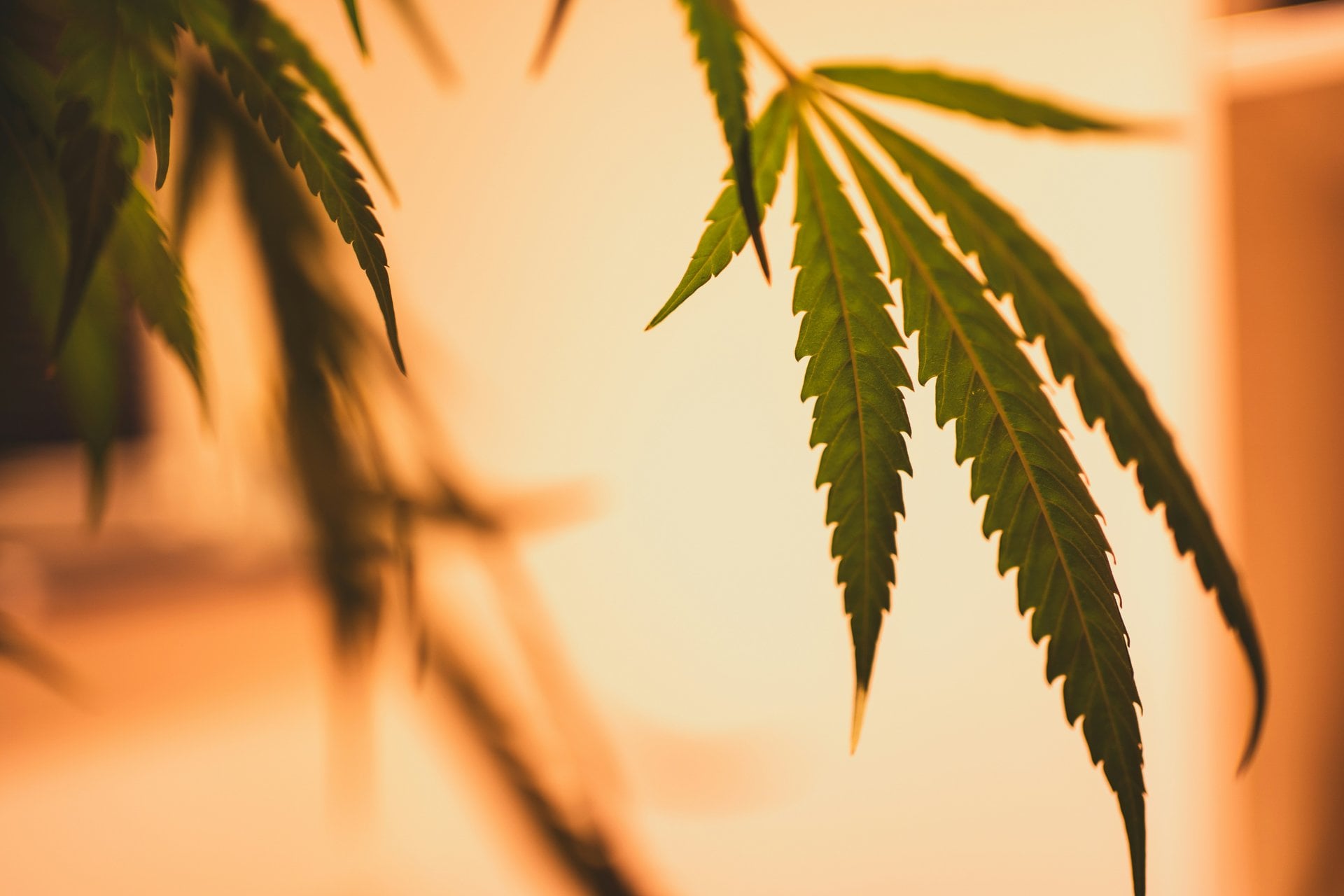
Ask most people to name a type of cannabis, and you'll hear indica, sativa, or hybrid. Never ruderalis. It's not on dispensary shelves, it's not on strain names, and it's definitely not what anyone's smoking on its own. But if you've ever picked up an auto-flowering seed or heard a grower mention one, ruderalis is the reason that entire category exists.
What Is Cannabis Ruderalis?
Cannabis ruderalis is often regarded as a third type of cannabis, alongside sativa and indica, native to the harsh climates of Russia, Siberia, and Central Asia. It was first formally identified in 1924 by Russian botanist D.E. Janischewsky, who noticed wild cannabis growing in South Siberia that behaved differently from the cultivated varieties known at the time.
The name comes from the Latin rudera, meaning "rubble" or "wasteland," given to the plant as a nod to its tendency to grow wild in harsh and unmanaged environments like roadsides and abandoned fields.
Botanists still debate whether ruderalis deserves its own separate classification or is better described as a rugged, feral subtype of sativa that adapted to a brutal climate. Either way, its genetics are distinct enough to have reshaped modern cannabis breeding.
What Makes This Type of Cannabis Different
The first thing that separates ruderalis from other cannabis species is its appearance. It's rarely more than two feet tall, with a thick, sturdy central stem, minimal branching, and a compact, almost scrappy build. Its leaves are a giveaway, too. Instead of the broad, multi-fingered leaves associated with indica or the long, slender ones associated with sativa, ruderalis leaves usually have three to five narrow points.
Naturally low in THC (typically below 5%), ruderalis was never going to win any potency contests, and that’s another aspect that makes it distinctive. That’s because ruderalis is built for survival. That means thriving in short growing seasons and harsh, unpredictable weather, where a taller, slower-maturing plant wouldn't make it to harvest in time.
Auto-Flowering Makes Ruderalis Strains Valuable
Ruderalis's real contribution to modern cannabis lies in its auto-flowering ability. Unlike sativa and indica, which flower based on changes in light exposure, ruderalis flowers based on age. That means that regardless of the light cycle it's exposed to, a ruderalis plant will typically start flowering on its own within three to four weeks of germination.
That trait evolved as a survival mechanism. In regions with brutally short summers, a plant that had to wait for a seasonal light cue to start flowering risked running out of time entirely. Flowering on a fixed internal clock instead made ruderalis able to complete its lifecycle before the cold set in.
Breeders took notice of this in the 1990s, crossing ruderalis with high-THC indica and sativa lines to build auto-flowering hybrids that kept the potency and flavor of traditional cannabis while inheriting ruderalis's fast, light-independent flowering. Lowryder, released in the early 2000s, is generally credited as the first commercially successful auto-flowering strain, and it opened the door for the now-massive auto-flower seed market.

Cannabis Ruderalis vs. Cannabis Sativa vs Cannabis Indica
The table below breaks down the main growth characteristics and physical attributes of all three varieties.
| Cannabis Ruderalis | Cannabis Sativa | Cannabis Indica | |
|---|---|---|---|
| Plant Appearance | Short stature | Tall stature | Short stature |
| Leaf Appearance | 3 or more narrow leaves | 9 or more thin, long leaves | 7 or more wide, short leaves |
| Growth Cycle | Medium flowering time (8–10 weeks) | Long flowering time (10–16 weeks) | Short flowering time (6–9 weeks) |
| Origin | Central and Eastern Europe, Russia, and Central Asia | Equatorial Asia, with landraces later established in Africa and the Americas | Hindu Kush region (India, Pakistan, and Afghanistan) |
Why You Won’t Find Ruderalis on a Dispensary Shelf
Wild ruderalis on its own was never bred for potency, and it isn't grown or sold as a standalone flower product. Its value lives entirely in what it passes on genetically, not in anything you'd want to smoke by itself. That something is fast, reliable, light-independent flowering. Today, virtually every commercial auto-flowering strain carries ruderalis genetics somewhere in its lineage, even though the finished product is mostly indica or sativa in character, potency, and flavor.
Where Ruderalis Genetics Show Up in What You Buy
Even though you'll never see "ruderalis" printed on a label, you've probably bought a strain that owes its genetics to it. Here are some:
- Fast-finishing craft batches: Some smaller cultivators use auto-flowering genetics to turn around harvests faster, which can mean fresher flower reaching shelves in shorter cycles.
- Compact, resilient home-grow strains: If a product's marketing mentions "auto-flower genetics," that resilience and speed trace directly back to ruderalis, even though the potency comes from its sativa or indica parent.
- Novelty and limited-batch drops: Some breeders specifically market auto-flower-descended cultivars as a distinct experience, even though the finished flower's effects come almost entirely from its non-ruderalis genetics, not from the ruderalis trait itself.
Get Your Cannabis Products From a Reputable Source
Whatever's in a plant's family tree, the only thing that really matters at the register is what's actually in the jar. At Quality Roots, every product is lab-tested and clearly labeled, so you're getting an accurate picture of potency and profile. Find your nearest Quality Roots location and let our team help you find something that fits what you're looking for.