
Cannabaceae: Get to Know the Hemp Family
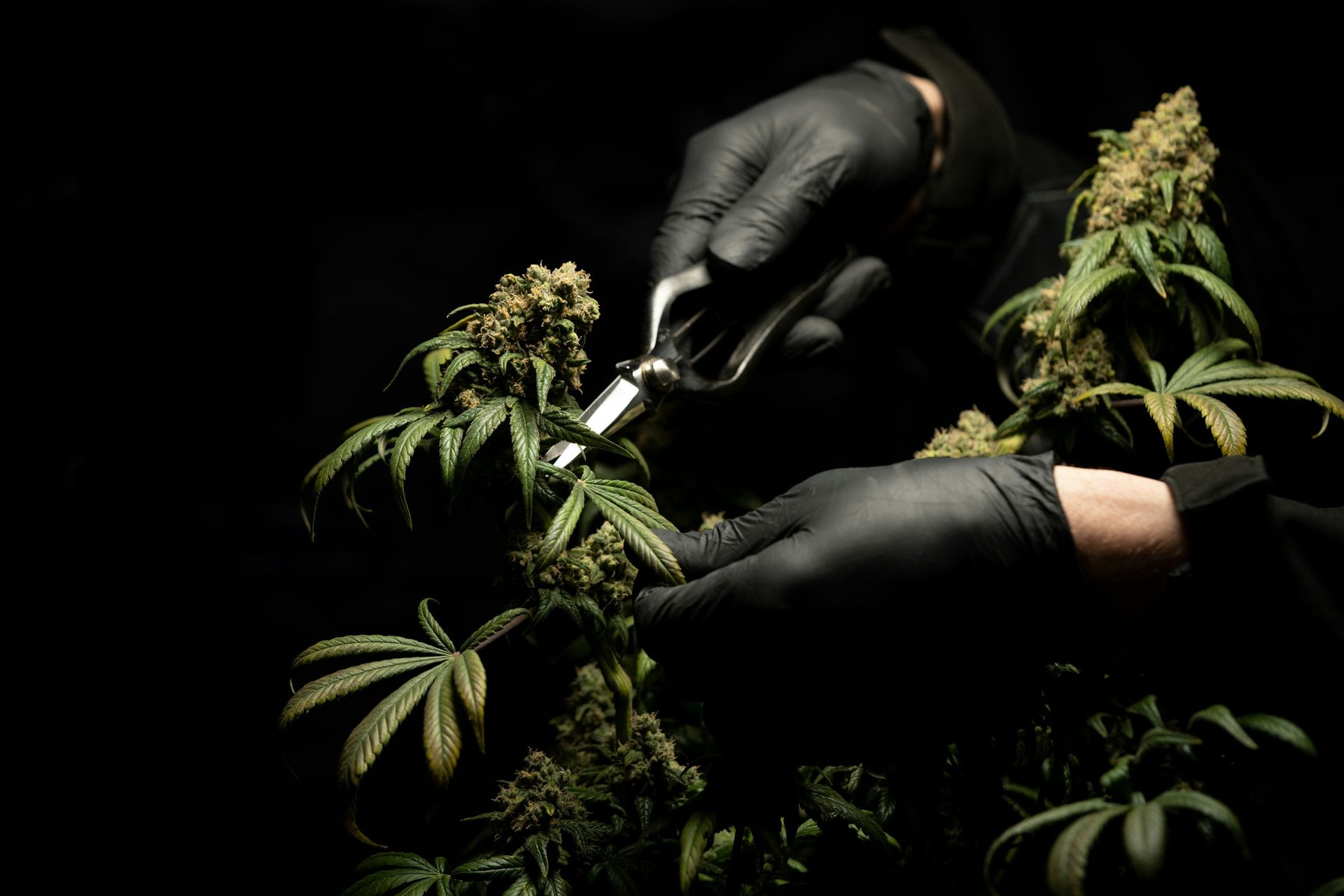
Cannabis has a lot of vocabulary attached to it, and it's easy to get lost in the weeds before you've even made it to the dispensary counter. But this particular rabbit hole is a fun one. Cannabis has real, documented botanical relatives, and one of them is sitting in your fridge right now if you drink beer. Welcome to Cannabaceae, the plant family cannabis calls home.
What is Cannabaceae?
Cannabaceae, sometimes called the hemp family, is a family of flowering plants containing roughly 170 species spread across about 10 to 11 genera, with origins tracing back to East Asia millions of years ago before spreading across much of the Northern Hemisphere. Three genera matter most here:
- Cannabis: Hemp and marijuana.
- Humulus: Hops, the plant responsible for the bitterness and aroma in most beer.
- Celtis: Hackberry trees, the largest genus in the family, made up almost entirely of trees found on nearly every continent
Of the three, Humulus and Cannabis are the ones with real economic and cultural weight. One built the modern beer industry, the other built an entire legal cannabis market. Celtis, by comparison, mostly just grows in forests and parks worldwide.
Wait, Cannabis and Hops Are Related?
They are, and it's not just a passing resemblance. Cannabis and hops are considered sister genera, with molecular clock studies estimating they diverged from a common ancestor somewhere around 28 million years ago.
Botanists noticed the resemblance long before genetics could confirm it. 18th-century French naturalist Michel Adanson correctly grouped cannabis, humulus (hops), and a third genus called Celtis together based purely on visual and structural traits, though his classification didn't catch on widely until much later.
The resemblance goes beyond appearance. Hops plants produce resinous, aromatic flowers loaded with terpenes, the exact same aromatic compounds found throughout cannabis. It's part of why some IPAs and cannabis flower can smell strikingly similar to each other—both plants lean on the same terpene toolkit for flavor, aroma, and likely pest deterrence.
Celtis, the Tree in the Family Tree
There’s a reason why Celtis, the hackberry genus, doesn't get much attention outside of botany circles. It's made up of shade trees, not anything you'd find in a store. Just a tree! Hackberries grow worldwide, produce small edible berries, and generally keep to themselves. They're part of the family purely by genetics, not by any shared use case with their more famous cousins.
Back to the Cannabis Genus
Cannabis itself is generally split into Cannabis sativa, Cannabis indica, and Cannabis ruderalis. Nearly everything sold at a dispensary today is a hybrid of these lines, bred over decades to combine specific traits, like potency, yield, aroma, and growth speed.
What makes one cannabis product feel different from another comes down to two things the plant produces: cannabinoids and terpenes.
Cannabinoids are chemical compounds that interact with the body's endocannabinoid system, a regulatory network involved in mood, sleep, appetite, and more. There are over 100 known cannabinoids, but THC and CBD get the most attention. THC for its psychoactive effects, CBD for its non-intoxicating profile.
Terpenes are the aromatic compounds responsible for a product's smell and flavor, and they're a big part of why two products with similar THC levels can offer a different experience. A few terpenes you'll see often on dispensary labels:
- Limonene: Citrusy, often associated with a brighter, more uplifted feel.
- Pinene: Sharp and piney, often associated with alertness.
- Linalool: Floral, often associated with calm.
- Myrcene: Earthy and musky, often associated with relaxation.

How Cannabis Shows Up on Our Dispensary Shelves
The combination of cannabinoids and terpenes is what you're choosing between every time you browse a menu. It's also why product format matters just as much as strain name:
- Flower and pre-rolls: Smoked via pipe, bong, or joint, with the effects felt within minutes.
- Vapes and cartridges: Fast-acting, concentrated oil vaporized with a battery.
- Concentrates: Potent extracts used with dab tools, for a more intense experience.
- Edibles: Gummies, chocolates, baked goods, and drinks. Slower onset but longer-lasting effects.
Get Your Cannabis Products From a Reputable Source
Knowing where cannabis sits on the family tree is fun, but knowing where your product comes from is crucial. Cannabinoid and terpene content can vary significantly between growers. That’s why lab testing, clear labeling, and a trustworthy source matter as much as the plant genetics themselves.
At Quality Roots, every product on our shelves is tested and tracked before it reaches you, so you can be sure that the cannabinoid and terpene profile reflects what's in the jar. Find your nearest Quality Roots location and get your cannabis from a source that takes both regulations and the plant's chemistry seriously.